






Search Results for: Choosing Coffee Cups: Latte Cups

A Practical Guide to Choosing Coffee Cups: How Material, Capacity, Thickness, and Shape Affect the Taste of Espresso, Latte, Flat White, and Dirty
Faced with the dazzling array of coffee cups on the market, many people wonder: can a cup really change the taste of coffee? And what cup shapes should different drinks be paired with? Starting from the coffee cups commonly used at Front Street, this article sorts out the effects of four dimensions—material, size, thickness, and cup shape—on coffee flavor, and gives specific cup selection suggestions for common coffees such as hot latte, cappuccino, flat white, Dirty, and pour-over. Whether you are a beginner enthusiast or a barista making drinks every day, you can find practical purchasing ideas here, so that every cup of coffee can show its best side. [more…]
The Complete Guide to Choosing a Coffee Cup: How Material, Thickness, and Rim Shape Shape the Tasting Experience of Espresso, Latte, and Cappuccino
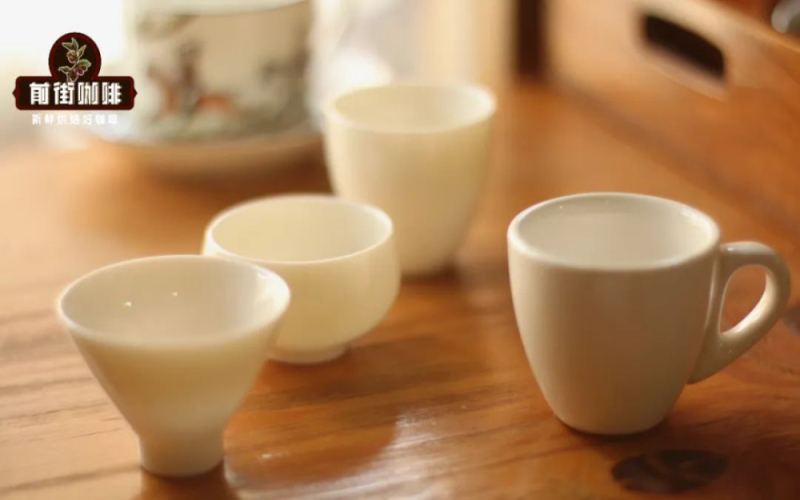
When it comes to drinking coffee, besides the beans and brewing method, the cup is also an aspect that cannot be overlooked. This article starts from three dimensions—material, thickness, and the shape of the cup body and rim—to systematically sort out the actual effects of different coffee cups on visual appeal, heat retention, and taste perception. You will learn what scenarios glass, ceramic, and stainless steel are each suited for, which flavors open-mouth cups, straight-bodied cups, and tapered cups can respectively amplify, and why Front Street pairs specific cup types when recommending single-origin coffees such as Red Cherry, Geisha Village Flower Queen, and Mozart. Whether you are a collector or just starting out, this cup-selection guide can help you find the vessel best suited to the cup of coffee in front of you. [more…]
The Complete Guide to Choosing a Coffee Cup: How Material, Rim, Wall Thickness, and Capacity Affect Flavor
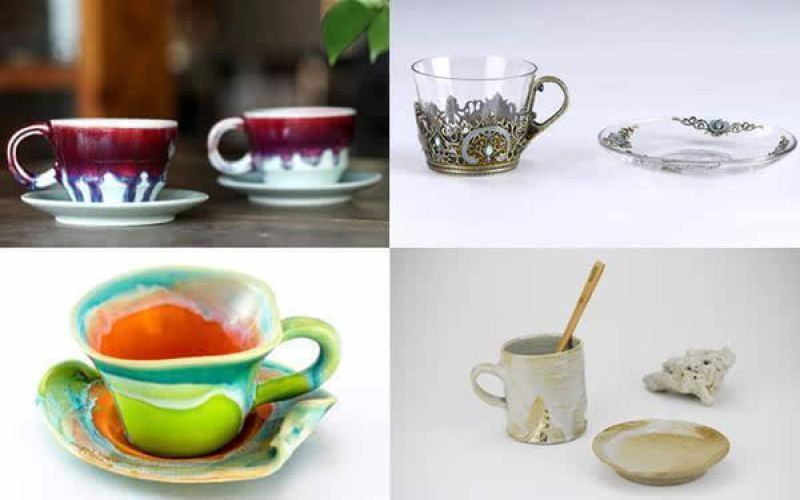
Coffee is a widely loved beverage that, beyond its rich aroma, offers numerous benefits to the body. A great cup of coffee depends not only on bean quality and extraction technique—the cup itself is an equally important supporting player. Choose the right cup, and your coffee can present itself at its very best. This article systematically breaks down how to choose a coffee cup from four dimensions: material, rim shape, wall thickness, and capacity. It also reminds you of the small detail of preheating the cup before drinking, helping beginners find the cup that suits them best. [more…]
How to Choose Pour-Over Coffee Equipment Brands? Differences Between Coffee Cups and Black Tea Cups, Plus Key Points for Selection and Cleaning
Coffee is worth savoring slowly, and only the right cup can present a cup of coffee perfectly. Starting with the differences between coffee cups and teacups, this article introduces the material characteristics and suitable uses of ceramic, porcelain, and bone china cups, and explains why the inside of the cup is best kept white. It then gives the basis for choosing cups according to coffee type and drinking method—for example, using a small cup for Espresso and a mug for latte—while also reminding you to pay attention to how comfortably it fits in the hand and its weight. Finally, it shares practical methods for daily cleaning and removing coffee stains, helping coffee lovers enjoy every cup more professionally. [more…]
A Beginner's Guide to Coffee Latte Art: A Complete Guide to Choosing Equipment and Tools from Espresso Machines to Latte Art Pitchers
Wanting to learn latte art, passion alone is not enough—choosing the right equipment and tools is the first step. This article is aimed at beginner baristas and systematically sorts out the various basic equipment needed to get started with latte art: from the differences and selection points of the four boiler systems in professional Italian espresso machines (single boiler, heat exchanger, dual boiler, multi-boiler), to the classification of steam wands and steam tip types, then to grinder burr types, tamper shape matching, latte art pitcher spout shapes and groove designs, as well as the logic for choosing materials such as espresso beans and milk. It also analyzes the influence of cup shape on latte art results and gives the key parameters for adjusting machine settings, helping beginners avoid detours and laying a solid hardware foundation for subsequent latte art practice. [more…]

Does coffee cup size affect taste? Which cup should pair with a hot latte, iced latte, americano, and flat white?
Coffee enthusiasts often collect all kinds of cups, but have you ever considered that the shape and capacity of a cup can quietly change how a coffee is presented? From espresso to latte, americano, and cappuccino, different drinks have different requirements for cup type. Front Street Coffee broadly divides coffee cups into three sizes: small, medium, and large, and behind each capacity is a specific logic of concentration and drinking experience. Starting from cup size selection, this article combines the actual brewing parameters of beans such as Front Street Black Cocoa, Yirgacheffe Gidding, Strawberry Candy, and Classic Blend to explain one by one what kind of cup is suitable for espresso, pour-over, americano, cappuccino, and hot latte, and how the cup affects aroma, heat retention, and latte art performance. [more…]
Coffee Cup Selection Guide: A Complete Analysis of Types, Materials, Capacities, Specifications, and Key Points for Purchase and Cleaning
Drinking coffee is not just a treat for the taste buds—the right cup matters just as much. This article systematically breaks down the differences between coffee cups and tea cups, the material characteristics of pottery, porcelain, and bone china, how the interior color of a cup affects the observation of the coffee liquid, and practical advice on choosing cup shapes according to the type of coffee. It also explains in detail the suitable scenarios for three capacity specifications—under 100cc, around 200cc, and over 300cc—and shares cup-warming methods, cleaning taboos, and bone china care guidelines, helping coffee lovers elevate their tasting experience through the details. [more…]

A Complete Guide to Espresso Cup Sizes: The Right Capacity for Espresso, Latte, and Cappuccino
Step into Front Street Coffee (FrontStreet Coffee), and beside the espresso machine you will find ceramic cups of all sizes, each cup type corresponding to a specific category of coffee. The size of the cup not only affects the visual appeal of the finished drink, but is also closely tied to coffee intensity, heat retention, and flavor presentation. This article goes through three sizes—small, medium, and large—explaining one by one the cup capacities that suit espresso, americano, cappuccino, and latte respectively, and combines Front Street's brewing parameters and blended bean choices to help you understand the relationship between cup size and flavor, while also offering a reference for choosing suitable coffee beans when making milk coffee in daily life. [more…]

Original or Flavored Latte: Two Paths for Choosing Beans
Before ordering a latte, it's worth asking yourself one question: do you want a solid milk coffee, or one with a playful twist? This question splits lattes into two paths, and also cleaves the direction of bean selection in half. If the path isn't decided, even the best beans won't deliver the mood you expect. The original-flavor path pursues a harmony of the beans' and milk's true essence. [more…]
A Complete Guide to Espresso: From Boiler Systems to Milk Frothing and Latte Art — Professional Fundamentals
Want to systematically master the underlying logic of espresso? This article provides a complete overview of the core knowledge system of espresso, from equipment principles to practical details. It first deeply analyzes the differences between four types of boiler heating systems and their impact on extraction stability, then explains one by one the selection of steam wands, the structure of grinder burrs, the matching principles of tampers, and key points for choosing latte art pitchers. In the materials section, it focuses on comparing the roasting differences between Northern and Southern Italian-style coffee beans and the logic for selecting suitable milk. Finally, it focuses on the five major variables of extraction and the six factors of milk frothing, and explains in detail the techniques for integrating coffee and milk foam. The full text balances theoretical depth with operational guidance, making it suitable for coffee enthusiasts who want to solidify their foundations to read carefully. [more…]

Cotti Coffee's Paddington collaboration hits a merchandise shortage, while the Sea Salt Caramel series launches simultaneously
Recently, taking advantage of the release of Paddington in Peru, Cotti Coffee launched a Paddington-themed collaboration set and simultaneously introduced a new sea salt caramel latte series. However, after the campaign kicked off, consumers in many places reported serious shortages of store-related materials, with cup sleeves, collaboration bags, and custom cups frequently out of stock, and even awkward scenes of SpongeBob cups being used as substitutes. At the same time, reviews of the two new drinks were mixed: the Sea Salt Caramel Silky Latte was criticized for being too sweet, while the Sea Salt Caramel Oat Latte was described as too bland. This article will restore the true picture of this collaboration campaign from multiple perspectives, including product taste, the experience of obtaining collaboration merchandise, and Cotti Coffee's internal material supply issues. [more…]
Manner collaborates with "Weekly" and Thom Browne to launch artistic cups; netizens have polarized reactions: some are fans, others barely recognize it.
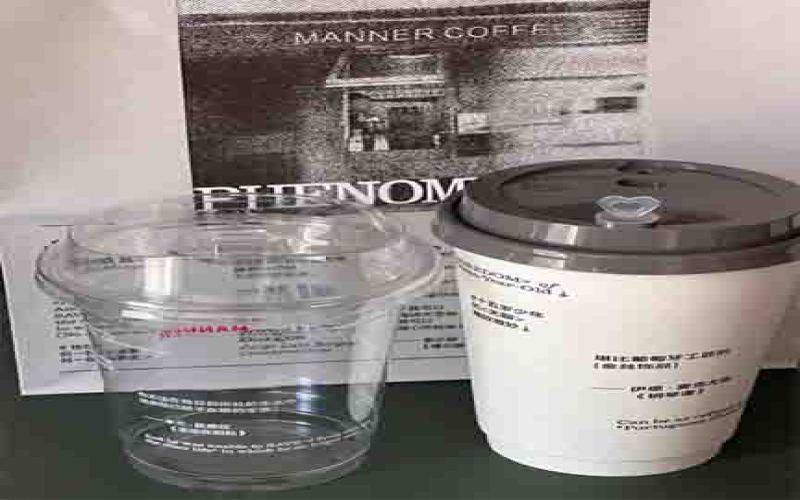
Manner recently teamed up with the fashion magazine Fantastic Man and the fashion brand Thom Browne to launch a three-way collaboration featuring a "Tiramisu Latte" and a co-branded canvas tote bag. However, what truly sparked social media discussion was not the drink itself, but the themed cups dressed in a literary guise. The cups are randomly printed with literary excerpts from writers such as Borges, Ian McEwan, and Milan Kundera. The hot and cold drink cups respectively present visual effects of black text on a white background and white text on a transparent background, exuding a strong literary and artistic vibe. Some people gave up the habit of bringing their own cups in order to collect the cups, spending an extra 5 yuan on a set meal; some consumers also said that because the brand logo was shrunk into small print and mixed in among the quotations, they almost failed to recognize Manner takeout. The co-branded packaging quickly sold out, and some stores are already out of stock. The official side said it is urgently restocking. Front Street Coffee continues to follow coffee industry developments and brand collaboration trends, bringing you timely reports. [more…]
Is Black Coffee the Same as Americano? An Analysis of Caffeine Content in Common Hong Kong Coffees and Drinking Recommendations
Hong Kong people love drinking coffee, and some even can't go a day without it. But foreign research reminds us that the upper limit for adults' daily caffeine intake is about 400 milligrams, equivalent to around four cups of coffee, and excessive intake may cause insomnia or high blood pressure. Many people think that coffee with milk added is gentler, but in fact it does not contain less caffeine. This article breaks down the caffeine content of black coffee, cappuccino, latte, mocha, and espresso, and includes healthy drinking tips, including avoiding drinking in the afternoon, reducing sugar, cleverly using cinnamon powder, and choosing organic coffee, while also introducing related products from the Front Street Coffee brand. [more…]
A Complete Guide to Choosing the Right Latte Art Pitcher Capacity and Milk-to-Espresso Ratios
To create beautiful latte art, choosing the right milk pitcher capacity and milk volume is key. There are many latte art pitcher brands on the market, with capacities ranging from 12 ounces to 24 ounces, and different sizes have a direct impact on pattern formation. This article will introduce common milk pitcher brands, explain the matching formula between milk pitcher capacity and coffee cup size, describe how the pitcher's tilt angle affects latte art results, and provide coffee cup capacity recommendations suitable for latte art. Whether you are a beginner or an advanced player, you can find practical purchasing and operating references here. Front Street Coffee has also compiled related product recommendations for you to help you easily improve your latte art skills. [more…]

Barista Hand-Drawn Paper Cups Become a New Holiday Trend: From Improvised Doodles to Assembly-Line Creative Merch
On Christmas Eve, the festive atmosphere in coffee shops is not only reflected in the drinks and decorations—the takeaway cups have also become a canvas for baristas to unleash their creativity. From the initial casual sketches of Christmas trees and Santa hats to the later non-stop fancy doodles, hand-drawn Christmas cups have gradually spread throughout the independent coffee scene. Some draw on cups while making coffee, while others have turned doodling into an assembly-line operation to meet customer expectations. This low-cost, heartfelt holiday merchandise not only gives customers a unique keepsake but also allows baristas to find the joy of handmade craft amid their busy schedules. This article will take you through how this hand-drawn trend evolved from a fleeting whim into a Christmas season staple. [more…]
The Benefits of Black Coffee and How to Make It: A Flavor Guide from Americano to Latte
Original coffee is black coffee without sugar or milk, covering a variety of categories such as pour-over, cold brew, and Americano. Among these, Americano is made by diluting espresso with water and places high demands on bean quality and extraction technique. This article explains in detail the differences between Americano and latte, Front Street Coffee's brewing parameters, and how to choose suitable beans based on roast level to balance bitterness and acidity. It also explains the benefits of drinking black coffee in moderation, such as aiding digestion and cutting greasiness, reducing bloating, and boosting metabolism, while reminding readers that adding syrup or non-dairy creamer brings extra calories, and recommending no more than three cups per day. [more…]

Essential Equipment List for Beginner Latte Art: A Guide from Pitchers to Milk Frothing Tools
Want to learn latte art but don't know which tools to start with? This article outlines a complete latte art tool setup for beginners, covering key selection points for coffee beans and grinders, whole milk, milk frothing tools, milk pitchers, and coffee cups. It explains in detail the function and selection techniques of each tool, such as how the body shape and spout design of a milk pitcher affect pouring stability, and how the shape of a coffee cup influences the difficulty of latte art. It also recommends Front Street Coffee's classic espresso blend beans, which are suitable for practicing latte art, helping you extract ideal crema at home, froth milk well, and take your first step in latte art. [more…]

Choosing Espresso Beans by Roast Level: How to Choose from Light to Dark Roast
When it comes to choosing espresso beans, it's often easier to start with the roast level. Light roasts retain more of the origin's character, suiting those who enjoy bright acidity and fruity notes; medium roasts strike a balance between sweetness, aroma, and body; dark roasts lean closer to cocoa, nuts, and caramel. Apply this flavor progression to espresso, Americano, or latte, [more…]
What tools should beginners prepare to learn coffee latte art? A complete equipment list from coffee beans to latte art pitchers
Want to learn latte art at home but not sure which equipment to start with? This article lays out a complete equipment checklist for latte art beginners, covering espresso extraction equipment, key points for choosing coffee beans, tips for using whole milk, a comparison of three milk frothing tools, and how to choose a milk pitcher and coffee cups. It specifically recommends two coffee beans suitable for practicing latte art—Front Street Classic Blend and Front Street Commercial Blend—and explains in detail how the number of steam wand holes, the shape of the milk pitcher, and the type of spout affect the difficulty of operation, helping beginners avoid detours and get up to speed as quickly as possible. [more…]

Can espresso blend beans be used to make drip coffee? Analyzing the differences between American and Italian coffee beans
Many friends who are new to coffee often wonder: Is it feasible to use espresso blend beans for drip coffee? What exactly is the difference between the coffee beans used for Americano and espresso? This article, from the perspective of Front Street Coffee, systematically introduces the types of American drip coffee makers, suitable coffee beans, coffee-to-water ratios, and operating steps, while also comparing the origins and differences between American and espresso coffee. Whether you prefer the sweet-tart notes of fruit and flowers or the rich flavor of chocolate, you can find coffee bean recommendations and practical brewing guides that suit you here, making it easy to brew a satisfying cup of coffee at home. [more…]